Early-bird seats for the founding cohort are now open — 10 seats.
It's the question we hear most. VC Academy is a small, in-person program where working investors teach the real job: how the venture world runs, how to run due diligence, and how to handle a term sheet.
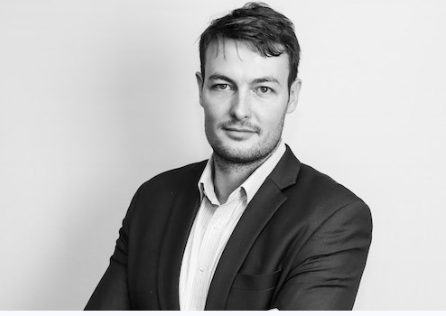
Managing Director, Mosaic Venture Lab Curriculum lead Term sheets & due diligence
Deborah Magid
MD, NextStar Ventures Ex-IBM Ventures
Chander Kant
CEO, K Ventures Former CEO, Zmanda
Todd Lin
Semiconductor & M&A Ex-GE, Acer, Egis Tech
Mark Birch
Founder, TribeROI Ex-AWS Global Advocate
Dr. Volker Kaese
CEO, Ingenev Mobility Ex-Audi/VW Innovation
Shafeen Charania
COO, fluency Ex-DXC Enterprise IT
Ashley Hsueh
Management Consultant Bain & Company
Christian Walter
CEO, RegionRise Ex-Google Europe
Our mentors invest, operate, and scout across
The Problem
Wanting in is easy. The job is the hard part.
After 14 years of the same calls from students and would-be investors, three gaps keep coming up.
🚪
GAP 1
No Path In
"How do I break into VC?" We get asked this more than anything else — and few people ever get a straight answer.
📑
GAP 2
The Terminology Wall
Junior VCs freeze on the language of the deal: which clauses matter, what to push back on, which tools to use.
🔍
GAP 3
Checklist Diligence
New investors try to check everything. Real VCs ask the few questions that fit their thesis — and pass early.
The Curriculum
Four acts. One full cycle of an investment firm.
Twelve sessions that run the annual cycle of an investment firm once, in order — from building your lens to defending a recommendation in front of a panel. Every act ends with something you own and can show.
ACT I · 1–3
Build Your Lens
What do I look for, and why me? Write and defend your investment thesis, and open your Deal Book.
You leave withA defended investment thesis, and your Deal Book already open.
ACT II · 4–6
Learn to Say No
How do I decide fast, and defend it? Read a founder, build the questions that kill a deal, read a forecast in ten minutes.
You leave withA diligence method that fits your thesis, and a forecast you can read.
ACT III · 7–9
The Deal
How do I do one without getting hurt? Term sheets, negotiation, cap-table maths, and regional deal structures.
You leave withA marked-up term sheet, and a cap table you built yourself.
ACT IV · 10–12
The Business
How does the money work, and how does it come back? Fund economics and exits — then defend a full IC memo.
You leave withAn IC memo, defended in front of working investors.
The Aug 14 Launch
The room you'd be joining.
4.9 / 5 — how attendees rated the afternoon. See the recap →
What You Leave With
Not just a certificate. A track record — and a route in.
Real work you can show — and people who saw you do it.
📂
Six portfolio artifacts
Thesis, Deal Book, diligence, term sheet, cap table, IC memo. See all six →
🎁
VC Starter Kit
After you complete registration and your seat is confirmed, the VC Starter Kit is emailed before the course starts.
📘
The VC Bible
MVL's VC methodology.
🏅
Completion Badge & Certificate
Proof you completed the programme.
👥
VC Academy Alumni Group
A members-only Discord community for graduates.
Your route into VC
Concrete links to a VC career after graduation
📬
3 months of deal flow
MVL sends deals to look at, discuss and be introduced on.
🤝
Deals and work, together
Review live deals alongside the MVL team.
📝
Recommendation letter
After the programme, subject to evaluation.
💼
MVL internship
Selected graduates may be considered.
🔍
Sit in on MVL deal reviews
Selected graduates may be invited.
Career opportunities are offered after evaluation.
Built by people who actually do this for a living.
2011-2013
Yushan Ventures
Co-founded in Taipei. Introduced Startup Weekend to Taiwan with events at Google, Microsoft, and top universities — first contact with thousands of founders.
2012-2018
APEC Accelerator Network
Built the APEC Accelerator Network with Taiwan's MoEA. Pitch events and cross-border deal flow across APEC economies for 6 consecutive years.
2015-PRESENT
VW Group / Audi Scouting
Technology scouting and diligence for Volkswagen Group and Audi. A 25+ country deal-sourcing network across 5 continents.
2018
Mosaic Venture Lab
Deep-tech accelerator partnered with Audi AG and Continental AG. Evaluating, backing, and connecting East Asian innovation to global capital.
2024-2025
180+ Startups Trained
Trained 180+ startups for CES and VivaTech, and professors for ITRI — from the investor's side of the table, evaluating what makes a company fundable.
2026
VC Academy
What we've learned doing the job, turned into a proper in-person program for people in Taiwan who want to invest.
How It Works
In person. In a room with working VCs.
🤝
Face-to-Face, Not a Webinar
Small room, 10 people, real conversation — at our Taipei office.
Build relationships you can keep working with after the cohort.
📂
Taught Through Real Cases
No abstract lectures. Every module runs on real deals — actual term sheets and real diligence questions.
Learn to form an investment view before you meet a live deal at work.
🧭
Mentored by Active Investors
Working VCs, operators and corporate-venture scouts who have sourced, diligenced and passed on hundreds of deals.
Get direct feedback on your thesis and IC memo from people who make investment decisions.
By the Numbers
The skills you'll learn to read on sight.
A few of the things every investor handles without thinking. You'll work through them on real deals in the program. Figures are illustrative.
The funding ladder
Every stage has its own check size. Read an investor's stage and you've read their strategy — and where you'd fit.
The funnel
Hundreds of companies for every cheque written. Most of the job is a fast, well-reasoned no.
Dilution over time
Founders give up ownership round after round. The cap table is where a deal's economics actually live.
By the end, you will be able to explain these three charts — and use them to support a pass or an investment recommendation.
How This Is Different
Online Short Courses vs VC Academy
Online Short Courses
VC Academy
Format
Primarily online, based in the US or Europe.
In-person cohort in Taipei. Limited to 10 seats.
Taught By
Professors and finance generalists.
Investors active in Taiwan and across Silicon Valley, Berlin and Tokyo.
Method
Lectures and theoretical case studies.
Real deals, face-to-face discussion and direct investor feedback.
Best For
People already in the industry, or students seeking course credit.
Aspiring investors, analysts, founders, and family-office members who want in.
After VC Academy
Form an investment point of view, screen a deal quickly, ask thesis-driven diligence questions, understand a term sheet and cap table, and defend an IC recommendation.
There are excellent programs out there — VC University, Kauffman Fellows, the Newton Program, Techstars' Venture Deals. Most run online, sit in the US or Europe, and are priced for people already inside the industry. VC Academy is the one built for here: in person, in Taipei, taught by investors working this market and the Silicon Valley, Berlin, and Tokyo corridors we operate in every day.
Founding-Cohort Price
Enjoy the early-bird price.
Checking the current offer…
Checking the current offer…
—
All 12 in-person sessions in Taipei
Materials, live deals and face-to-face time with seasoned investors
After you complete registration and your seat is confirmed, the VC Starter Kit is emailed before the course starts.
VC Bible, Completion Badge & Certificate, VC Academy Alumni Group
Bank transfer, or 3 / 6 card installments · Company invoice (統編) and company payment available
Seats are held in order of registration; if registrations exceed the 10-seat limit, payment is refunded in full.
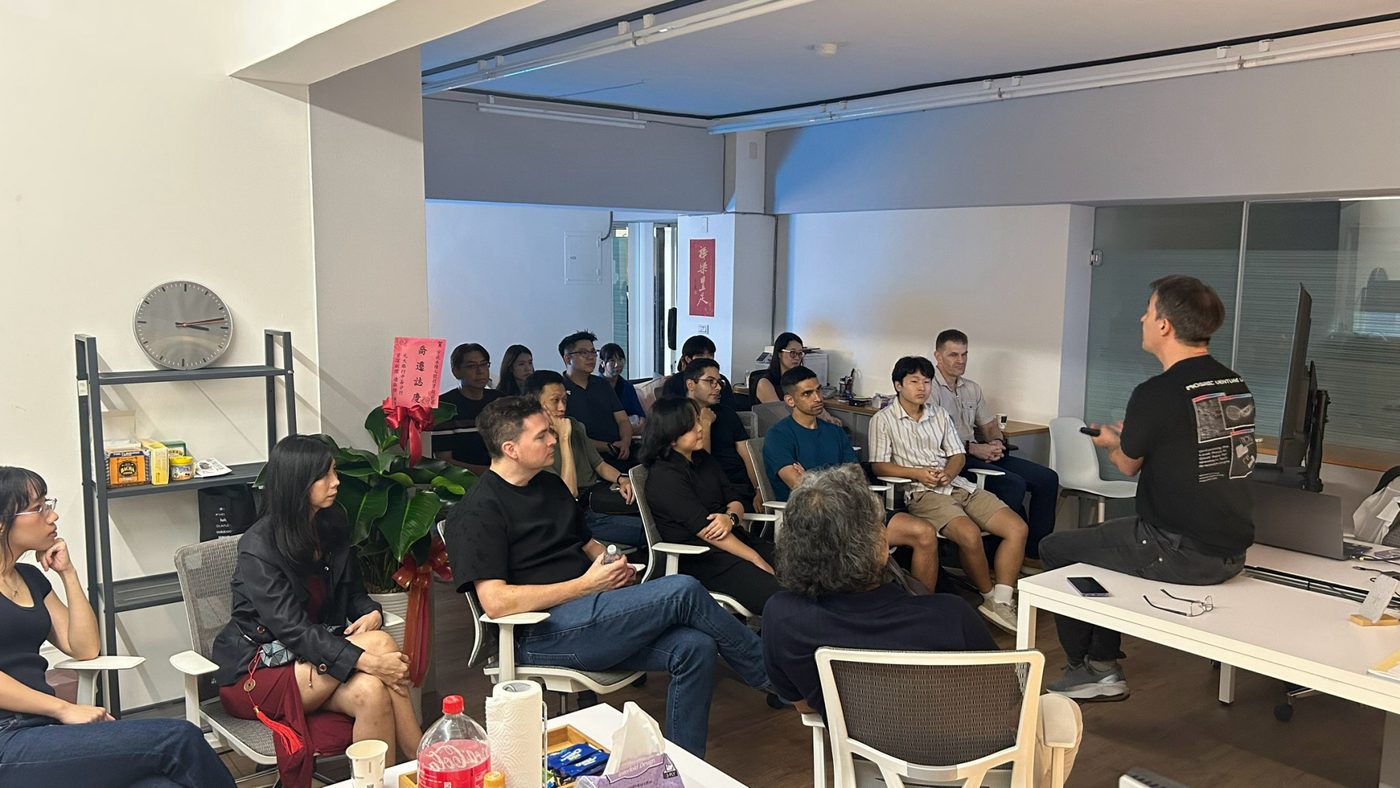
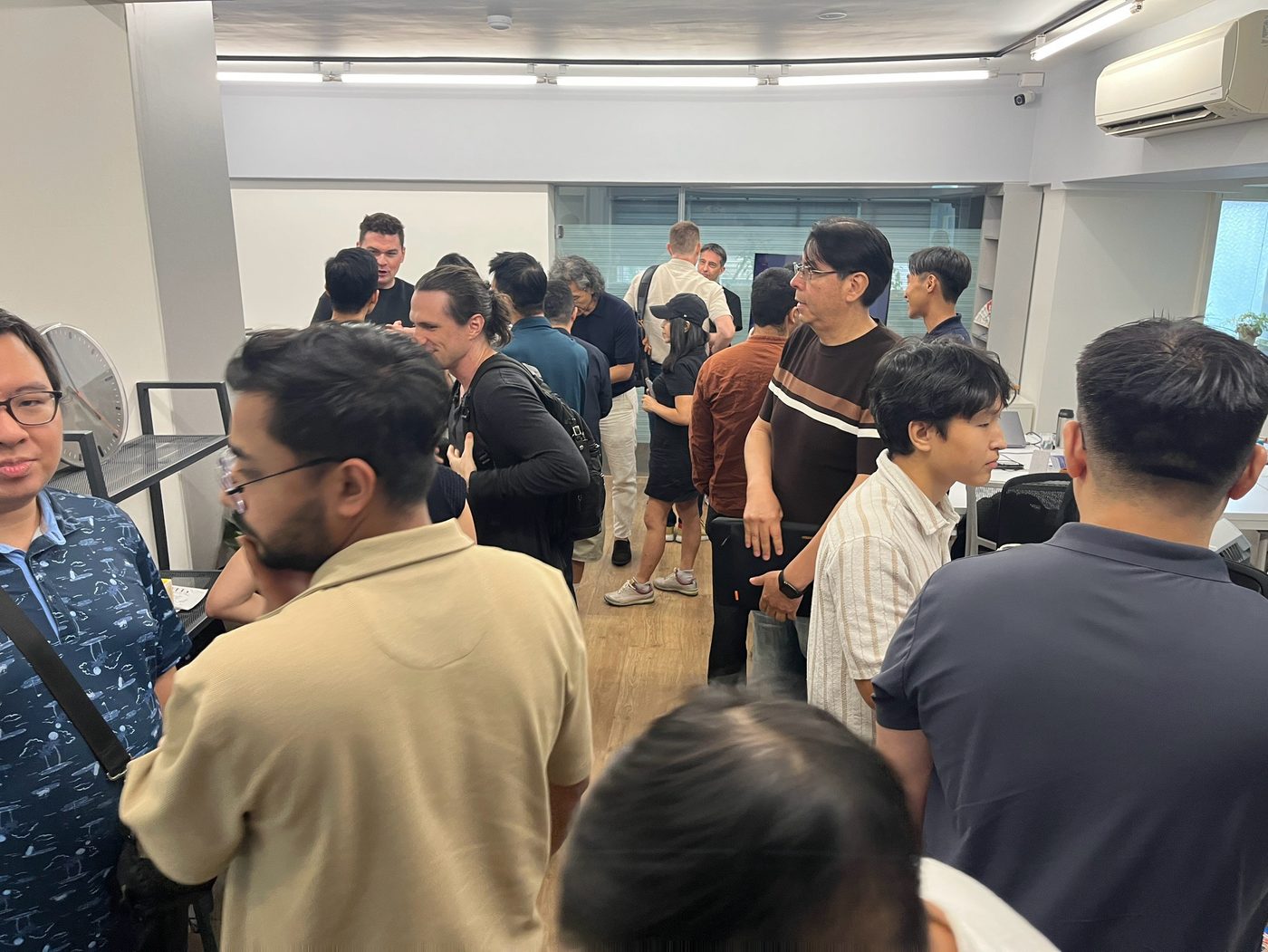
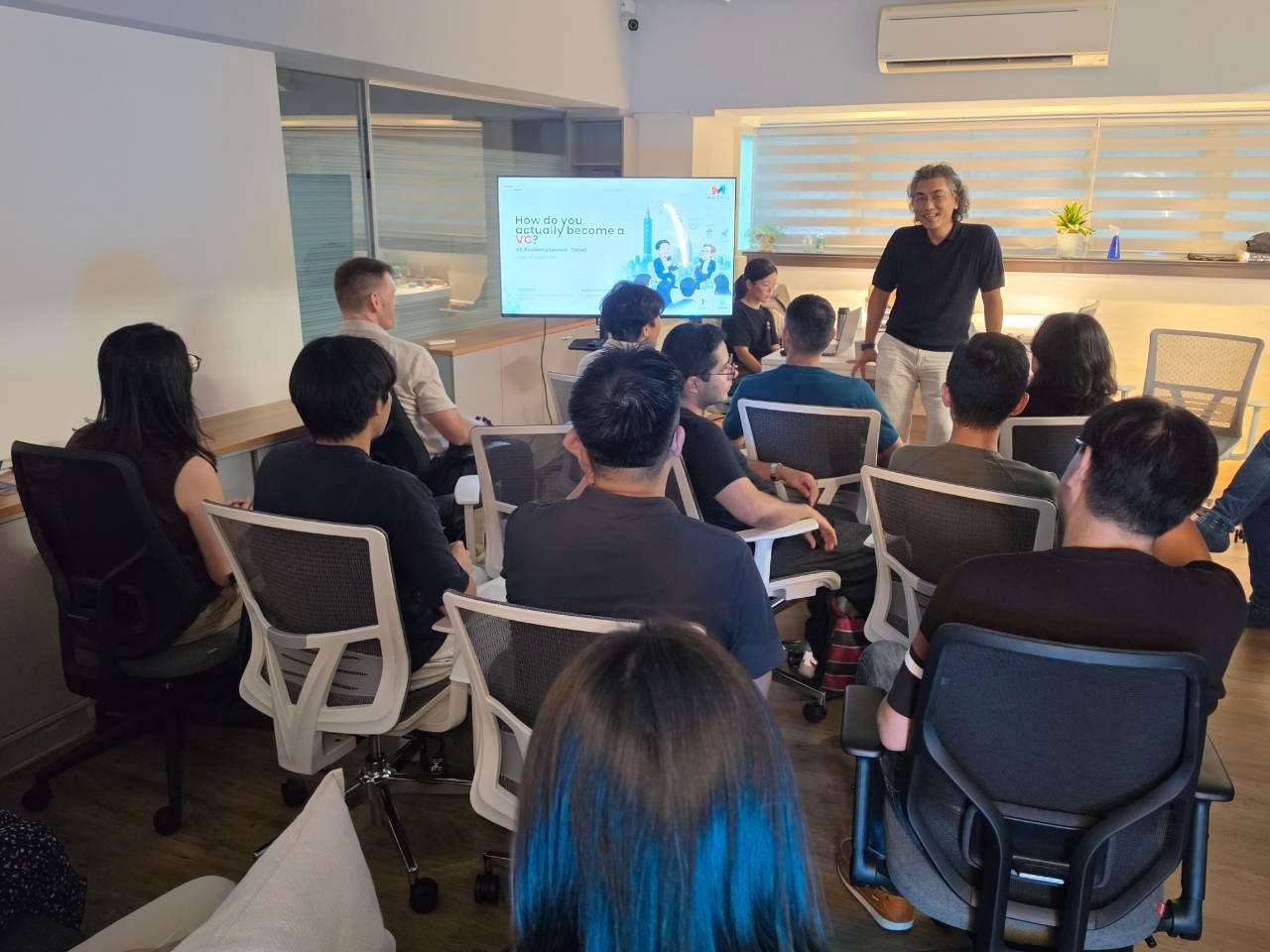
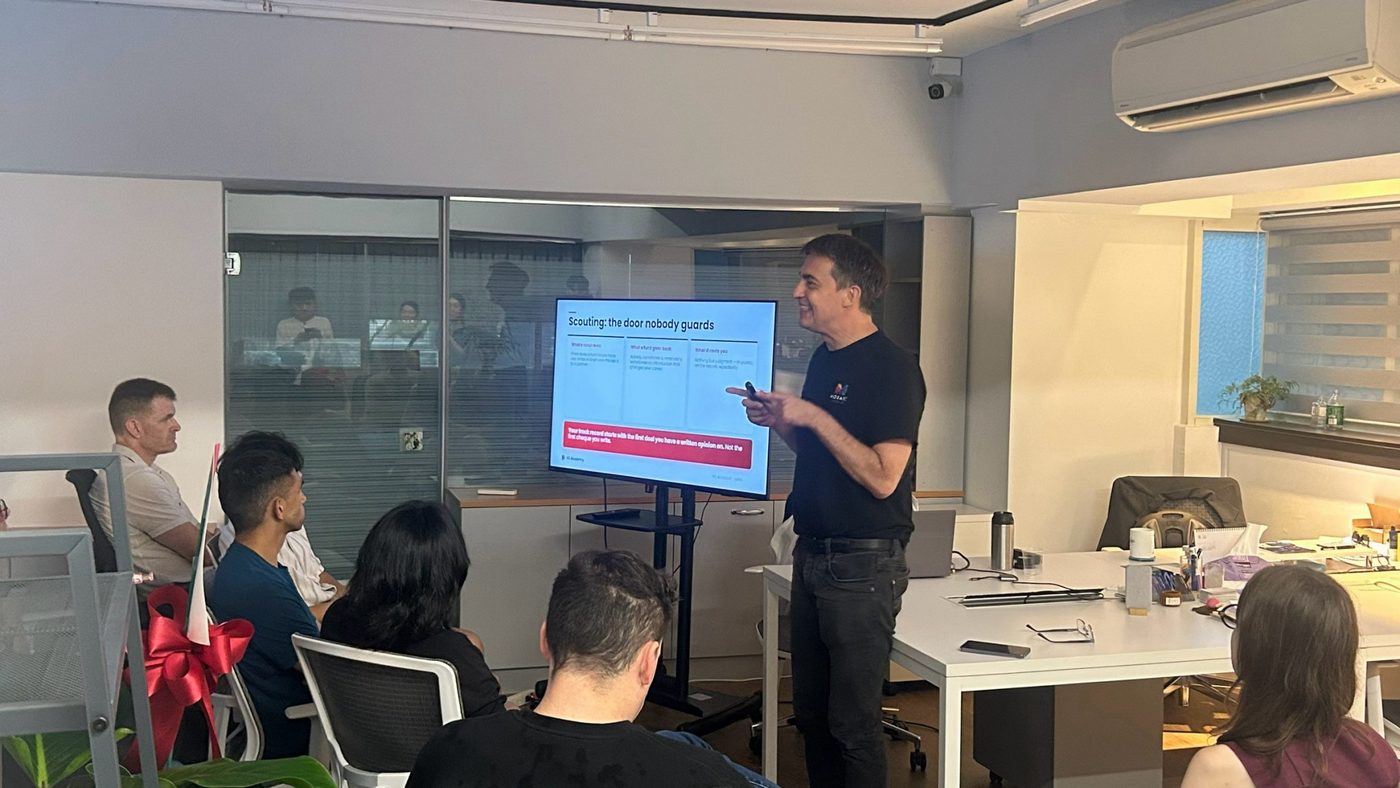
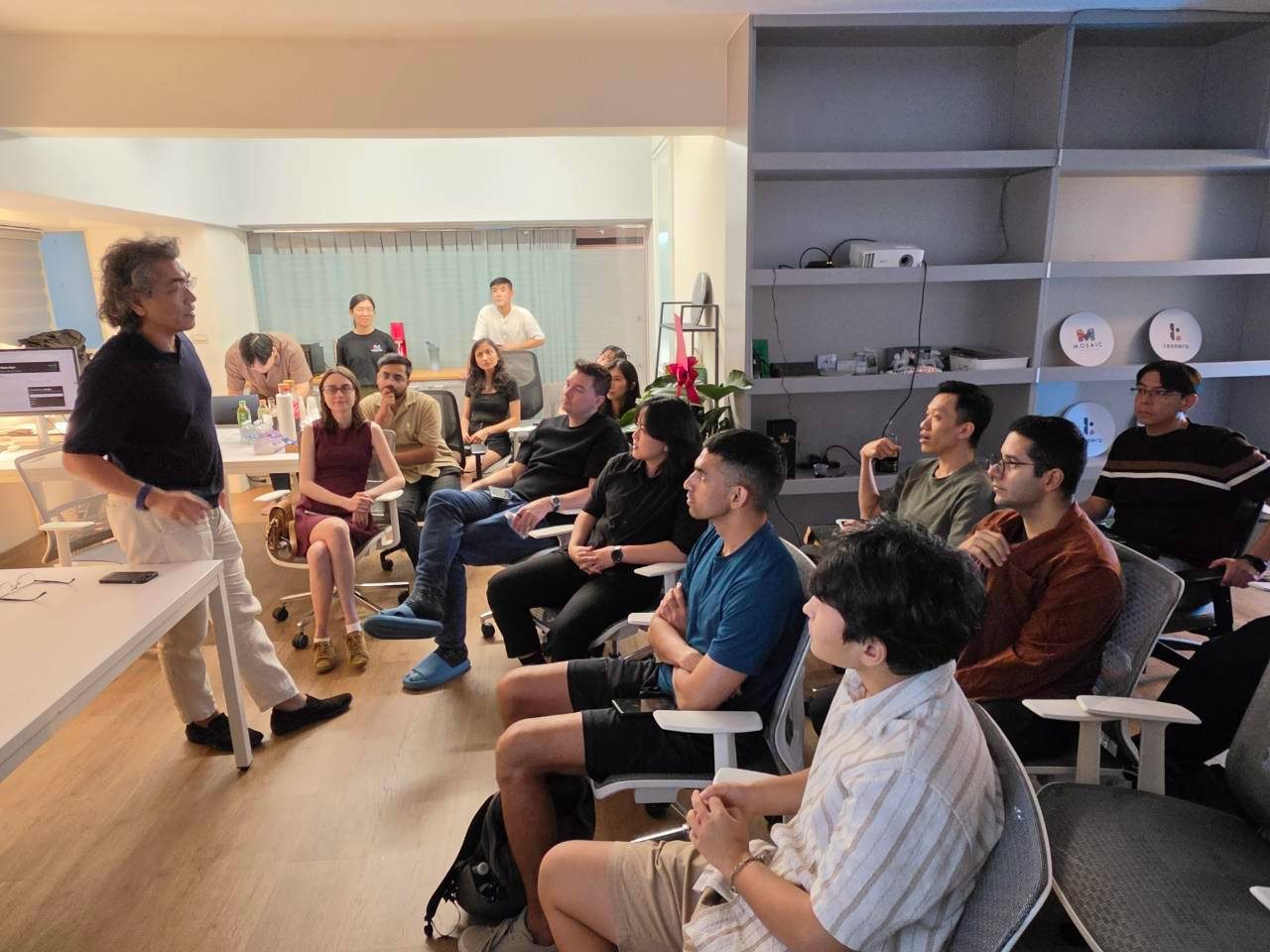
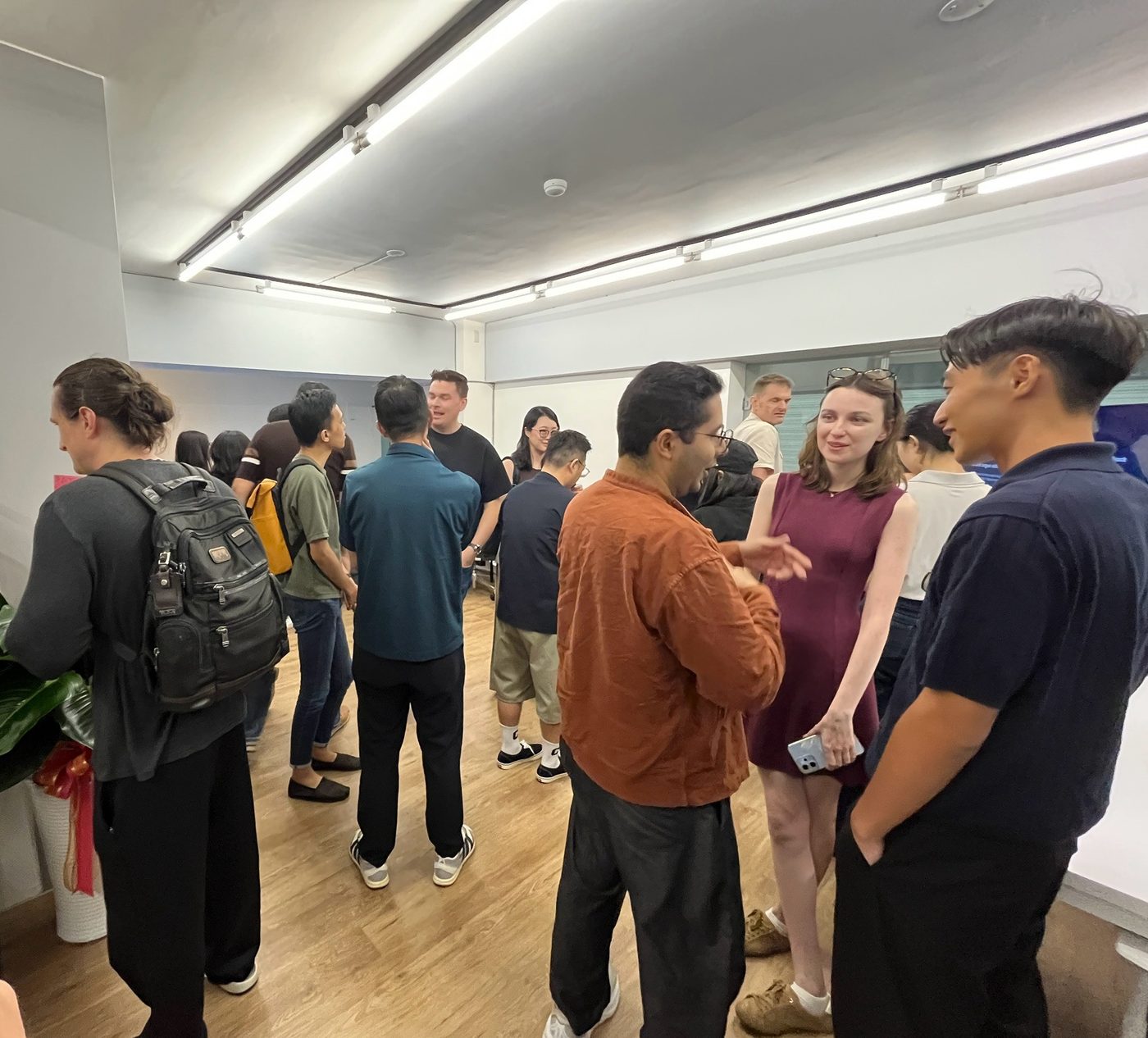
On Friday, August 14, we opened VC Academy with a free afternoon at the Mosaic Venture Lab office in Taipei. Working VCs talked about how they actually invest, the floor opened up for questions, and we walked the room through the full program — over whisky highballs and a lot of good conversation. Here's what the afternoon covered.
What we covered
An afternoon with working VCs.
01
Guest VCs, unfiltered
Working investors talked through how they actually pick deals and where the returns really come from — then opened the floor to the room's questions.
02
Scouting: the door nobody guards
The real routes into venture, and why the most reliable one is unguarded: what a scout actually does, what a fund gives back, and what it costs you — nothing but judgment, in public, on the record.
03
How Silicon Valley invests
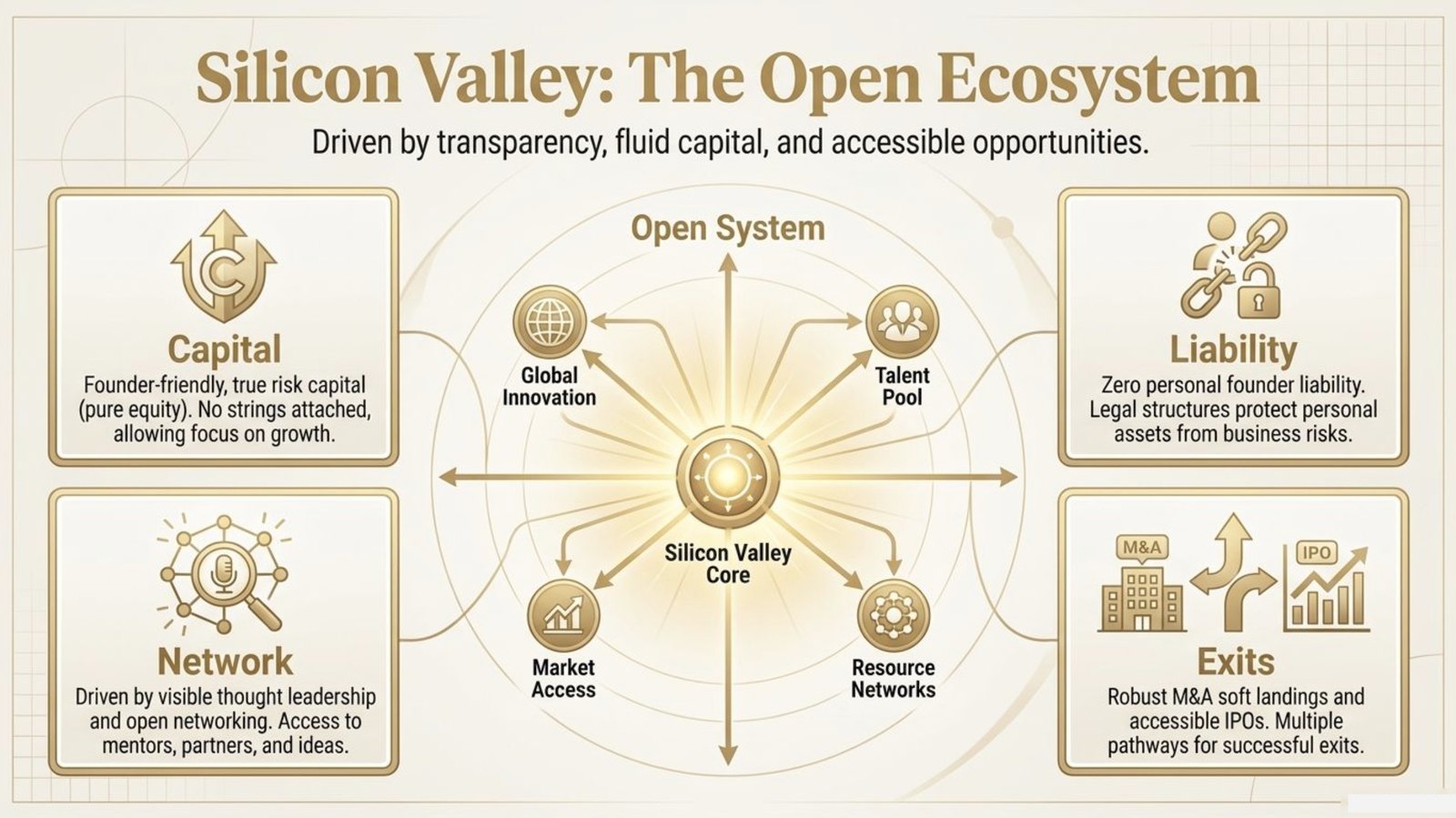
The Valley as an open system — founder-friendly risk capital, visible networks, limited founder liability, and multiple exit paths. Then the harder question: how much of that survives the trip to Taipei.
04
The gravity of capital
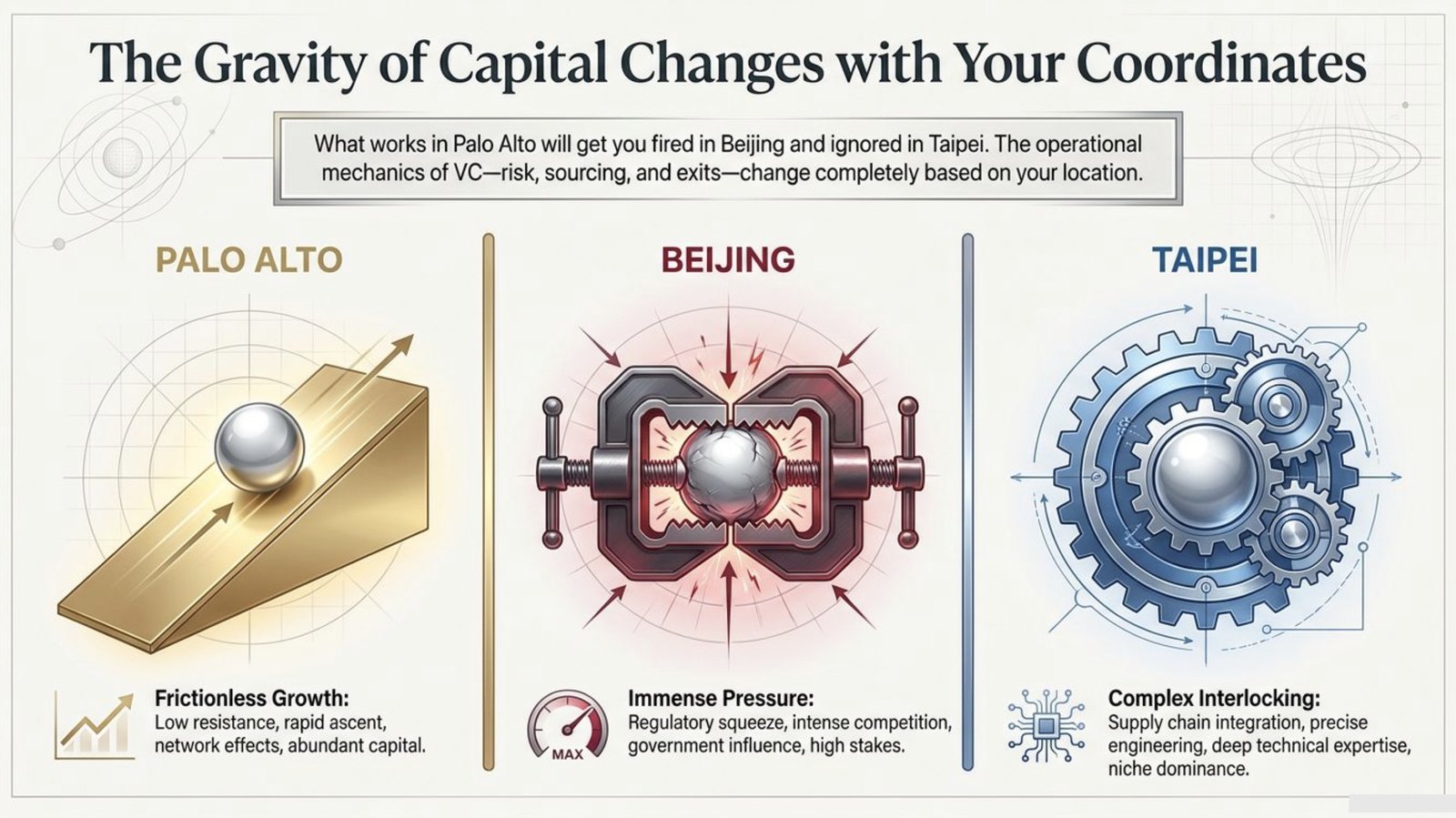
Why what works in Palo Alto gets you ignored in Taipei — how risk, sourcing, and exits change completely with your coordinates. Plus a first look at the full VC Academy curriculum.
From the deck
Two ideas from the afternoon.
Why the Valley works the way it does: founder-friendly risk capital, networks you can actually reach, limited personal liability, and more than one way out.And why none of it transfers cleanly. Risk, sourcing, and exits work differently in Palo Alto, Beijing, and Taipei — knowing which rules you're playing by is most of the job.
Want the full deck?
The complete slides from the August 14 launch — the ecosystem map, the scouting routes in, and the walk-through of the program.
The launch is done — the founding cohort is what comes next. In person in Taipei, 10 seats. If the afternoon sounded like your room, reserve your seat.
Twelve sessions in four acts. The programme runs the annual cycle of an investment firm once, in order — from building your lens to defending a recommendation in front of an investment committee. Every act ends with something you own and can show. This is what the founding cohort works through, session by session.
Early-bird Open · Founding Cohort
Ready to sit in the room?
This is the curriculum the founding cohort works through — in person at our Taipei office, 10 seats.
Ninety minutes of teaching. Ninety minutes of work.
Every session runs to the same shape. The break sits inside the second half, because the room getting to know each other is a goal of this programme rather than an interruption to it. And nobody leaves an evening without having said a number out loud and had it written down — that is the mechanism the whole programme is built around.
18:45
Deal Desk 15 min
Three participants present a deal they sourced since the last session. Three minutes each, position stated out loud.
19:00
The Lecture 90 min
The visiting investor on a topic they know cold — including their own war stories, and your questions.
20:30
Break 15 min
Food, drinks, and deliberate introductions.
20:45
The Workshop 60 min
Structured role-play on the live deal the visiting investor brought with them. They play the hardest seat, and they can stop the clock to narrate what they are thinking.
21:45
Positions 15 min
Every participant states a position on the deal and logs it in their Deal Book. Homework is set.
ACT I · SESSIONS 1–3
Build Your Lens
What do I look for, and why me? · You leave with a written investment thesis you have defended out loud.
1
In-Person · House
The Map and the Mirror
Two halves. First the map: how venture capital works as a system, why the power law forces the behaviour it does, and where Taiwan sits inside a global picture currently distorted by AI concentration. Then the mirror — what you actually bring. Nobody in this room will out-generalist a Taipei fund analyst; your edge is the domain you already know. Your Deal Book opens tonight.
→ WORKSHOP · The Edge Audit
2
In-Person · Visiting VC
Where Deals Actually Come From
The funnel, from someone running it right now: roughly a thousand companies a year down to three or five cheques. Where the top of that funnel comes from in Taiwan specifically — the universities and ITRI, the semiconductor supply chain, corporate scouting mandates, the event circuit, returnees. And the FA layer: who they are, what they charge, and what it means when a deal reaches you through one.
→ WORKSHOP · Source in the Room
3
In-Person · House
Thesis Night
What a thesis is actually for: not a marketing document, but the thing that lets you say no in four minutes without feeling bad about it. Every participant presents their own and then takes questions from the room. Three questions everyone answers — what would make you wrong, which deal would you hate to have to pass on, and who is already doing this better than you.
→ WORKSHOP · The Defence
Act I: every investor lives on one rung of this ladder. Knowing which rung tells you almost everything about how they work — and which rung you belong on.
ACT II · SESSIONS 4–6
Learn to Say No
How do I decide, fast, and be able to defend it? · You leave with a diligence method and a forecast you can read.
4
In-Person · Visiting VC
Reading the Founder
What an experienced investor is actually reading in a founder meeting — honesty about weakness, resilience when pushed hard, leadership over a team rather than one impressive individual. And the reverse: what a founder is reading in you, because reputation runs both ways and in a market this size it compounds fast.
→ ROLE-PLAY · The Meeting
5
In-Person · Visiting VC
Diligence That Fits Your Thesis
Real diligence is not a checklist. It is the four or five questions that could kill the deal, asked in the order that kills it fastest — how to build that set from your thesis, how to weight what comes back, and how to read a non-answer. Plus the Taiwan layer: what to verify with the supply chain, what a corporate customer reference here actually tells you, and what to check about the FA.
→ WORKSHOP · The Kill List
6
In-Person · Visiting VC
The Numbers
How to read a five-year projection in ten minutes: which line to look at first, which assumptions carry all the weight, how to benchmark against comparables, and what a bottom-up build looks like next to a top-down fantasy. Including where AI-generated models break — and how to check output you didn't build yourself.
→ WORKSHOP · Ten Minutes to a Verdict
Act II: roughly a thousand companies a year for every three or five cheques. The skill is deciding fast what to dig into — and passing on the rest with a clear reason.
ACT III · SESSIONS 7–9
The Deal
How do I actually do one without getting hurt? · You leave with a marked-up term sheet and a cap table you built.
7
In-Person · House
Term Sheets I — The Language
The terms taken apart one at a time: valuation and the pre/post distinction, liquidation preference, anti-dilution, participation, board composition, vesting, drag and tag, information rights, redemption. What each is for, who it protects, and what it costs the other side. Then the part available nowhere else — the structures used in this region that no textbook covers.
→ WORKSHOP · Translate the Clause
8
In-Person · Visiting VC
Term Sheets II — The Negotiation
Issuing versus receiving, and what changes when you are leading, anchoring or following. What is worth fighting for and what is noise. How the conversation actually runs when a corporate in the round wants exclusivity, when the founder has another offer, and when the round is undersubscribed and everyone in it knows.
→ ROLE-PLAY · The Negotiation
9
In-Person · Visiting VC
Cap Tables, Valuation, Dilution
The maths every investor is expected to run in their head: pre- and post-money, the option pool shuffle, what each round does to everyone's ownership, and what a liquidation preference does to the waterfall when the exit is mediocre. Then the Taiwan version, which is the part that matters — modelling toward a local listing at a valuation that would be a seed round in Menlo Park, and what that means for the price you can pay going in.
→ WORKSHOP · Build It
Act III: what a term sheet does to the cap table. Founders give up ownership round after round — you'll build this model yourself, live, and then stress it.
ACT IV · SESSIONS 10–12
The Business
How does the money work, and how does it come back? · You leave with an IC memo you presented and defended.
10
In-Person · Two CVCs
Corporate Money
The session Taiwan needs most, and one you will not find in a curriculum written for Delaware. A CVC optimises for strategic fit, a fund optimises for returns, a government vehicle optimises for industrial policy — all three are rational and all three want different things from the same company. How a corporate investment committee actually decides, how the business unit and the ventures arm disagree, what exclusivity is really for, and what happens to a portfolio company when the parent's strategy changes.
→ ROLE-PLAY · Both Sides of the Table
11
In-Person · Visiting VC
Fund Economics and the Taiwan Exit
How the money works: LPs and GPs, the management fee, carried interest, the fund lifecycle, and why fund size dictates cheque size and therefore stage. Then Taiwan's exit reality — the listing ladder, why companies here go public early and small, the pre-IPO pull and what it does to Series A pricing, and who the Taiwanese LPs actually are. Every LP module in every other programme assumes a US endowment.
→ WORKSHOP · Raise It
12
In-Person · All Faculty
Investment Committee Night
The graduation, and it is not a ceremony. Two teams present a full IC memo on a real deal the cohort sourced — thesis fit, diligence findings, the numbers, proposed terms, risks, recommendation — to a panel of the investors who taught the programme. The panel does what an IC does: they interrupt, they ask the question nobody prepared for, and then they vote and every one of them says why.
→ THE FINAL REP · Your IC memo, defended
Act IV: a fund loses money for years before exits pay out — the J-curve. It's why patience, management fees, and carry all work the way they do.
The Taiwan Spine
Five things that run through every single session.
Almost every venture curriculum in the world quietly assumes Delaware — US SAFEs, NVCA model docs, US endowment LPs, a NASDAQ exit. For an investor operating in Taipei, the questions that actually decide outcomes are somewhere else entirely. These five run underneath the whole programme.
01
The listing ladder
Emerging Board (興櫃) → TPEx → TWSE, plus the Innovation Board. A great many Taiwanese companies list at a size that could not go public in the US at all. That changes what a good outcome looks like here — and therefore what you should be willing to pay going in.
02
The FA layer
A broker layer sitting between founders and capital, with no real Silicon Valley equivalent. If you don't know who is advising a company, you are reading half the deal.
03
Corporate money
Corporate investors took part in roughly 72% of Taiwan deals by deal count, against about 22% for traditional VCs. The person across the table is more often a corporate than a fund — and they want something structurally different from the same company.
04
The Series A gap
Angel money exists and pre-IPO money exists. The middle thins out exactly where a company needs capital to go international — which is where a well-positioned investor here has the most room.
05
Structures that don't appear in textbooks
Redeemable convertible preferred shares, performance conditions, buyback terms, and the ownership levels that were normal in this region a decade ago and have not entirely gone. Read the paper and you understand the behaviour of a market.
Twelve sessions in four acts, taught in person at our Taipei office, each one worked through on a real deal with the investor who did it in the room. The structure draws on how the leading programs teach — VC University (Berkeley Law / NVCA), Kauffman Fellows, the Newton Program (London Business School), and Techstars' Venture Deals — adapted for Taiwan and for the people who actually invest here. Exact dates and sequencing are confirmed with the cohort once the room is set.
Founding Cohort · Early-bird Open
Checking the current offer…
Six months, in person in Taipei, 10 seats. Bank transfer, or 3 or 6 card installments. Government subsidy application in progress.
A lot of VC teaching is either theory you can't use or war stories you can't learn from. We work off real deals, and the investors who've done them sit in the room and talk through the calls they made. Every session splits down the middle: ninety minutes of teaching, ninety minutes of work.
90min
The Lecture
A working investor on a topic they know cold — war stories included.
60min
The Workshop
Structured role-play on the live deal they brought with them.
15min
Deal Desk
Three participants present a deal they sourced themselves.
15min
Positions
Everyone states a number out loud, and logs it. Nobody sits it out.
How It Works
Three mechanisms carry the whole programme.
Most programmes teach venture capital and then hope a network forms in the chat group. This one is built the other way round — the room is the structure, and the teaching happens inside it.
01
Every visiting investor brings a live deal
Not a case study and not a tidy one-pager — a real deal from their own current pipeline, anonymised to whatever degree they need. The room runs it through whichever stage of the investment cycle that session covers.
02
The cohort writes back
After each session the cohort produces a short research memo for that investor, on a sector or company they care about, within a fortnight. It is the fee the room pays for access — and it is the best diligence practice in the programme.
03
The Deal Book runs from week one
Every deal you see, dated, with the position you took and why. By the end you hold roughly twenty dated positions you have defended out loud. That is a track record — and it is the asset that gets a person hired into venture.
What Happens in the Room
Six role-plays. No observers.
Every workshop runs to the same grammar: a brief, a clock, a position, the reveal, and a log. The visiting investor plays whichever seat is hardest, and can stop the clock to narrate what they are thinking. Everyone is cast — nobody watches.
The Meeting
The visiting investor plays a founder from a real deal they took. You run the meeting in rotation while the rest of the room scores against a rubric — then they reveal what actually happened, and which question would have surfaced it.
The Kill List
A real deal from the investor's pipeline, and forty-five minutes to produce the five questions that would kill it — ranked by how fast each would resolve. They score your list against the diligence they actually ran, and name the question the room missed.
Ten Minutes to a Verdict
Three real forecast models, ten minutes each. Mark the three assumptions carrying the outcome and state a verdict. Then the investor walks their own markup — not a teardown, a demonstration of where a trained eye goes first.
The Negotiation
A three-way role-play, rotating: lead investor, founder, and a corporate co-investor with a strategic agenda. Your own marked-up term sheets are the working documents.
Both Sides of the Table
One real deal with a corporate term sheet on it. Teams argue the CVC's position, the financial co-investor's, and the founder's — then swap and argue the opposite. The corporate investors judge which arguments would actually have moved them.
The Investment Committee
The final rep. Your team presents a full IC memo on a deal the cohort sourced, to a panel of the investors who taught the programme. They interrupt, they ask the question nobody prepared for, and then they vote — and each of them says why.
Why this method.
Junior VCs don't fail because they lack frameworks — they fail because they've never seen a real term sheet, never built a diligence set under time pressure, and never had a working investor tell them why a deal was a pass. We've spent 14 years on the investor's side of the table, scouting for Volkswagen and Audi and evaluating hundreds of startups for CES and VivaTech. VC Academy is that experience, structured into reps you can actually practice.
Six things you built yourself, defended out loud, and can put in front of someone the week after the programme ends.
✓
A written investment thesis
What you will look at, what you will not, and why you specifically. Presented in six minutes and defended under six minutes of fire from the room — then rewritten.
✓
A Deal Book of ~20 dated positions
Every deal you saw, dated, with the position you took and the reason you took it. It is the one asset that gets a person hired into venture, and it outlives the programme.
✓
A diligence method that fits your thesis
Not a generic checklist — the four or five questions that could kill a deal, asked in the order that kills it fastest, and the judgment to read a non-answer.
✓
A marked-up term sheet
A real document, marked up from the investor's side, negotiated in a three-way role-play against a founder and a corporate co-investor with their own agenda.
✓
A cap table you built yourself
Founding through Series B, built live in a spreadsheet, then stressed with a down round, a corporate taking a board seat, and an early listing at a modest valuation.
✓
An IC memo you presented and defended
A full memo on a real deal the cohort sourced — thesis fit, diligence, numbers, terms, risks, recommendation — taken to a panel of working investors who interrupt, vote, and say why.
✓
The phone numbers
A room of working investors who have watched you think under pressure for three hours at a time. Every fund here has a hiring problem at analyst level and no reliable way to assess judgment before hiring — this is that.
✓
A cohort that keeps sourcing
Deal flow is what people entering this market say they lack, more than capital. You leave with nine other people who have seen every deal you have, and know how you think about them.
Yours to Keep
And the toolkit comes with you.
★
The VC Starter Kit — before day one
After you complete registration and your seat is confirmed, the VC Starter Kit is emailed before the course starts.
★
The VC Bible
MVL's VC methodology, written down — the frame behind every session, to keep and come back to.
★
Completion Badge & Certificate
Proof from Mosaic Venture Lab that you completed the programme. The track record above is what backs it up.
★
The VC Academy Alumni Group
A members-only Discord community for graduates — where the cohort keeps working after the last session.
Your Route Into VC
Concrete links to a VC career after graduation.
Offered after evaluation.
→
Three months of deal-flow sharing
For three consecutive months after the programme, MVL sends over deals you can look at, discuss with us, and be introduced on.
→
Look at deals — and work — together
Review live deals alongside the MVL team, and explore working opportunities from there.
→
A recommendation letter
After the programme, subject to evaluation.
→
A route into an MVL internship
Selected graduates may be considered for an internship at Mosaic Venture Lab, subject to evaluation.
→
Look at deals alongside MVL
Selected graduates may be invited to join MVL's deal reviews and look at deals together, subject to evaluation and eligibility.
From the Faculty
Why we built this.
How can I become a VC? I can't count how many calls I've had with a business student asking exactly that. They don't need another lecture on what venture capital is — they need someone to show them the craft.
A junior VC's hardest moments are the small ones — the term they don't recognize, the diligence question they don't know to ask. We teach those through real cases, the way you actually learn them on the job.
— Johnny Yu · Managing Director, Mosaic Venture Lab
The best investors don't check everything. They ask the few questions that matter, read the answers, and move. That judgment is learnable — and it's what this program is for.
Mosaic Venture Lab has been in Taiwan's venture ecosystem since 2011, originally as Yushan Ventures. We don't teach venture capital from a textbook — we've been sourcing, scouting, and evaluating deals the whole time.
2011-2013
Yushan Ventures & Startup Weekend Taiwan
Co-founded Yushan Ventures in Taipei. Introduced Startup Weekend to Taiwan — events at Google Taiwan, Microsoft Taiwan, and top universities in Hsinchu, Tainan, Kaohsiung, and Taipei. First contact with thousands of founders.
2012-2018
APEC Accelerator Network O2O
Conceptualized and co-managed the APEC Accelerator Network with Taiwan's Ministry of Economic Affairs (MoEA/SMEA). Cross-border pitch events and deal flow across APEC economies for 6 years.
2015-PRESENT
Volkswagen Group / Audi Scouting
Technology scouting and diligence partner for Volkswagen Group, with Audi as innovation partner. Active deal-sourcing network across 25+ countries and 5 continents.
2018
Mosaic Venture Lab
Established as a deep-tech accelerator and scouting partner for Audi AG and Continental AG. Focused on connecting East Asian innovation to European automotive and industrial capital.
2024-2025
CES, VivaTech & ITRI
Trained 180+ startups for CES 2026 and VivaTech 2025, and professors for ITRI on patent commercialization — evaluating, from the investor's seat, what actually makes a company fundable.
2026
VC Academy
The first structured, in-person program in Taiwan dedicated to training the next generation of venture capitalists — built from everything we've learned doing the job.
Programs & Partners
Faculty & Mentors
People who do this for a living.
The program is led by Mosaic Venture Lab's partners and taught with a volunteer network of VCs, operators, and corporate-venture scouts — people who source, diligence, and negotiate deals as their day job.
A rotating circle of VC friends joining each cohort
Mentors participate on a volunteer basis. The lineup is confirmed with each cohort and may vary by session.
Join the Founding Cohort
Reserve your seat. 10 seats.
What comes next is the program itself: in person, taught by working investors. Reserve your seat below — or, if you'd rather apply first, tell us a little about yourself and we'll be in touch.
Who should apply.
🎓
Students & recent graduates
who want a straight answer on breaking into VC
🚀
Founders & operators
who want to read the table from the investor's side
💡
Aspiring angels
with the appetite, but not the deal flow
🏢
Analysts, corporates & family offices
moving into early-stage investing
The founding cohort is small — 10 people — so every participant gets real time with the mentors.
Program details.
Format
12 in-person sessions over six months, Taipei
Starts
Nov 11, 2026 · founding cohort
Cohort
10 people · every seat confirmed by our team
Focus
Deal evaluation, term sheets, valuation
—
NT$—
After you complete registration and your seat is confirmed, the VC Starter Kit is emailed before the course starts.
Prefer to apply first?
No payment needed — tell us about yourself and we'll be in touch.
↗
Request sent — receipt unconfirmed.
Request sent. Receipt is not yet confirmed. Please contact contact@tessera.design or vh@mvl.biz to confirm before submitting again.
Questions?
Contact the VC Academy team at Mosaic Venture Lab. Email: contact@tessera.design · vh@mvl.biz Location: Taipei, Taiwan
Common Questions
Before you reserve.
Do I need finance or investing experience?
No. The program is built for people trying to break in — business students, aspiring analysts, operators, and founders. We start from how the ecosystem works and build up to the deal mechanics.
I missed the launch event — can I still apply?
Yes. The free launch event on August 14 was an introduction to the program, not a requirement. Applications for the founding cohort are open to everyone — you can read the recap of that afternoon to see what it covered.
When and where does it run?
In person, at the Mosaic Venture Lab office in Taipei. Exact dates and times are confirmed with applicants once the cohort is set.
How big is the cohort?
Small by design — 10 participants for the founding cohort, so everyone gets direct time with working investors.
What does it cost?
Checking the current offer…
Is my seat confirmed when I pay?
After you pay, we verify your payment and email your confirmation. Seats are limited; if all seats are already taken when we verify, we refund you in full. The organizer also reserves the right to review eligibility — if we can't confirm your seat after review, you'll receive a full refund.
How can I pay?
Bank transfer (pay in full), or card in 3 or 6 installments; you can also pay by card in full.
Can my company pay, or can I get a company invoice (統編)?
Yes. Choose “Company payment” in the payment registration form and we'll send a quotation within 1 business day; invoicing first is also possible. Quotations are valid for 14 days, but no later than 7 days before the course starts.
Yes. Email contact@tessera.design and mention “Company payment” — we'll send a quotation within 1 business day; invoicing first is also possible. Quotations are valid for 14 days, but no later than 7 days before the course starts.
What do I get after the programme?
The six things you built — thesis, Deal Book, diligence method, marked-up term sheet, cap table, IC memo — plus the VC Bible, a Completion Badge & Certificate and a place in the VC Academy Alumni Group. Selected graduates may, following evaluation, have opportunities for deal-flow sharing, recommendation letters, MVL internships and sitting in on MVL deal reviews.
INTERNAL STAGE / 內部測試
No payment verified.
No payment confirmed. Returning here is not proof of payment or qualification approval. 尚未確認付款;回到此頁不代表付款成功或資格核准。
Need a company invoice (統編)? Email contact@tessera.design. / 需要開立公司發票(統編)?請來信 contact@tessera.design。
After transferring, email your transfer details (name, amount, date, last 5 digits of your account) to contact@tessera.design.
We'll verify receipt and email you a confirmation. Seats are limited; if all seats are already taken when we verify, we refund you in full.
Paying as a company, or need a quotation / invoice first? Fill in the same payment registration form and choose “Company payment” — we'll send a quotation within 1 business day.
Paying as a company, or need a quotation / invoice first? Email contact@tessera.design and mention “Company payment” — we'll send a quotation within 1 business day.
Questions? Email contact@tessera.design
How we handle the details you give us when paying: Privacy policy